
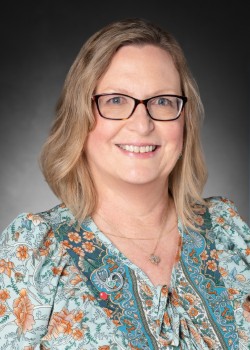
Lori L. Batchelor, BSN, MHA, PhD, RN, CPN, NEA‑BC, has built a career defined by partnership, advocacy, and a steadfast commitment to improving the lives of children and the communities that support them. As Senior Director of Academic Affairs and Community Partnerships for Children’s Health —a four‑time Magnet‑designated system recognized in all 11 pediatric specialties by U.S. News & World Report—she leads efforts that strengthen academic relationships, expand community engagement, and build pipelines to address critical healthcare workforce shortages. Her work supports Children’s Health’s mission “to make life better for children,” a mission carried out across campuses in Dallas, Plano, and a broad network of services throughout North Texas.
Batchelor’s leadership extends far beyond her organizational role. Over the years, she has become deeply embedded in board service across Texas and beyond, contributing her nursing perspective to professional, academic, and community organizations. Today, she serves as Chairman of the Texas Nurses Association Policy Council, Vice Chair (and incoming Chair) of the University of North Texas Health College of Nursing Community Advisory Board, and a member of the professional advisory boards for Texas Christian University and Collin College. She also brings her expertise to the Institutional Review Board at UT Southwestern Medical Center.
Her path into board service has been shaped by relationship‑building—an extension of the same collaborative approach she uses in her work at Children’s Health. Some opportunities were actively pursued, while others came by invitation. “I am looking for opportunities to serve,” she explains, reflecting a long‑standing commitment to leadership. Her previous board roles span organizations such as the Texas Nurses Association District 4 Board of Directors, the Biotechnology & Healthcare Industry Alliance of North Texas, the Arkansas Children’s Hospital Medical Legal Partnership Advisory Board, the Epilepsy Foundation of Greater North Texas Advisory Board, and many others.
Across these roles, Batchelor brings what she believes is one of nursing’s greatest strengths: a deeply informed, patient‑ and family‑centered perspective. Nurses, she notes, often gain insights into patient experiences that others may not. “Patients and families frequently share information with nurses that they may not disclose to others,” she says. This trust positions nurses as advocates who can elevate voices that might otherwise go unheard. In boardrooms, this perspective helps inform decisions that address disparities in access, quality, and outcomes.
Her service on the UT Southwestern Institutional Review Board offers a clear example of this impact. IRBs are often composed primarily of physicians and doctoral‑prepared researchers, but Batchelor’s nursing lens brings attention to patient rights, privacy, and ethical safeguards. In reviewing one research protocol, she identified gaps in how genetic information would be protected. Drawing on her experience as a nurse, patient advocate, researcher, and policy leader, she pushed for stronger confidentiality measures to ensure participants were fully informed and protected.
Board service, she has learned, requires navigating diverse perspectives, priorities, and motivations. Individuals come to the table with different experiences and expectations, and understanding these differences is essential to building effective relationships. Finding common ground creates opportunities to advance shared goals while leveraging the strengths each member brings.
Serving on boards also differs from working within healthcare organizations. Governance offers a broader vantage point—one that allows leaders to influence outcomes beyond a single institution and positively impact the professional community and the populations served.
For Batchelor, the impact of nurses serving on boards is clear. Nurses contribute a realistic, community‑centered, and health‑focused perspective grounded in the ethical principles of the profession. Their voices help shape decisions that ultimately strengthen systems, support communities, and improve lives.