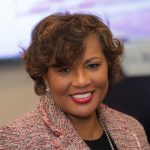
After serving as the inaugural Chief Diversity, Equity, and Inclusion Officer at the American Association of Colleges of Nursing, Vernell P. DeWitty, PhD, MBA, RN, FADLN, FAAN, founded Pourquois Diversity, LLC in July 2023 to focus on work that aligns with her passion and purpose. Her work includes mentoring nursing students, coaching faculty leaders, and helping academic and healthcare organizations create more inclusive learning and work environments. Through these efforts, she strives to build a nursing workforce that is prepared to meet the needs of increasingly diverse communities.
Tell us about your board service experience.
Board service has been an important part of my professional journey for many years. I have served on numerous governing and advisory boards, including the Maryland State Nurses Association. Currently, I serve on the Board of Trustees for Frontier Nursing University, the Advisory Board for the Department of Nursing at Bowie State University, the National Advisory Committee for the Robert Wood Johnson Foundation’s Summer Health Professions Education Program, and as a Commissioner on the Montgomery County Commission on Aging. At Frontier Nursing University, I am one of two nurses serving on the Board of Trustees, bringing a nursing perspective to institutional governance and strategic decision-making.
How has your nursing background influenced your board leadership?
Nursing prepares us to think holistically, analyze complex situations, collaborate across disciplines, and make decisions that balance competing priorities. These skills translate exceptionally well to the boardroom, where strategic thinking and sound judgment are essential. Nurses bring a unique perspective that considers not only organizational outcomes but also the human impact of decisions. Throughout my board service, I have helped shape strategic discussions by asking questions that broaden perspectives, ensuring that decisions reflect both organizational goals and the needs of the people ultimately affected by those decisions.
How did you become connected to board opportunities?
Most of my board opportunities have come through relationships built over the course of my career. Invitations have resulted from my leadership roles, publications, professional presentations, community engagement, and active participation in professional organizations. Building a strong reputation for thoughtful leadership and consistently contributing to the profession has opened many doors to board service.
What have you learned about serving on a board?
One of the most important lessons I learned was understanding the distinction between governance and management. Effective board members focus on strategy, oversight, and organizational stewardship rather than becoming involved in day-to-day operations. Maintaining that boundary can be challenging but is essential for healthy governance. Another significant difference from healthcare is that board decisions sometimes require difficult choices that may adversely affect individuals in the short term. In healthcare, our primary goal is to heal and improve individual outcomes; in board service, our responsibility is to ensure the long-term health and sustainability of the organization, even when those decisions are difficult.
What is the impact of nurses serving on boards?
Nurses bring tremendous value to boards because they are trained to integrate knowledge from multiple disciplines while keeping people at the center of decision-making. They contribute systems thinking, ethical reasoning, cultural awareness, and practical problem-solving skills developed in highly complex environments. Nurses also bring a deep understanding of the human experience, allowing boards to make decisions that are both strategically sound and socially responsive. Their perspectives strengthen governance and lead to more thoughtful, inclusive organizational leadership.
What advice do you have for nurses seeking board roles?
Be intentional about preparing for board service. Build relationships with leaders across industries, not just within healthcare, and seek opportunities to expand your understanding of finance, governance, strategy, and organizational leadership. Attend conferences, participate in professional and community organizations, and remain curious about issues beyond your immediate area of expertise. Most importantly, be willing to show up, contribute thoughtfully, and let your expertise and integrity speak for themselves. Board opportunities often emerge from consistent engagement and trusted relationships.