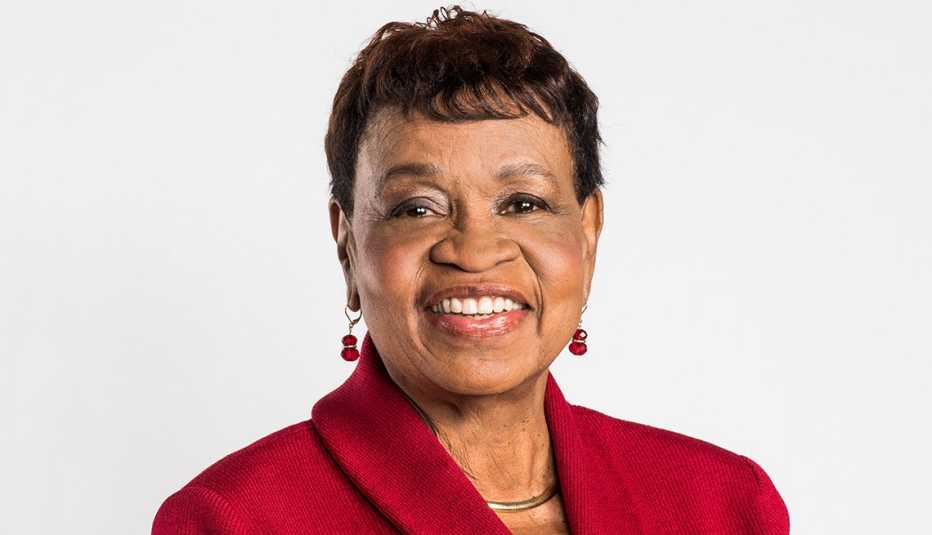
Catherine “Alicia” Georges, EdD, RN, FAAN, has spent a lifetime advancing nursing leadership, equity, and public service. After 48 years in the Department of Nursing at Lehman College, City University of New York, where she served as professor and chairperson and now holds emerita status, she continues to invest in the future of the profession through consulting, mentoring, and workforce development. Her career reflects a deep and lasting commitment to ensuring that nurses are present wherever decisions are made that shape the health and well-being of communities.
A Life of Leadership, Still in Motion
Although officially retired from Lehman College, Georges has remained deeply engaged in nursing and healthcare leadership. She went on to serve as a professor at Meharry Medical College and project director for a HRSA-funded Community Health Worker Program. Today, she consults with nursing and healthcare organizations in the United States and the Caribbean on workforce development. At this stage of her career, one of her most meaningful roles is serving as a mentor and coach to early- and mid-career nurses, helping make sure their names are advanced for leadership positions, commissions, fellowships, and board service.
Helping Shape NOBC from the Beginning
Georges’ connection to the Nurses on Boards Coalition began during her service on the board of AARP, when the Robert Wood Johnson Foundation engaged AARP in implementing the recommendations of the Future of Nursing report. She was invited into the initial conversations focused on nurses and board service and remained involved through the coalition’s development. Looking back, she recalls the strong buy-in from nursing and healthcare organizations and the excitement among nurses who saw new possibilities for contributing through governance and leadership.
Board Service as a Professional Pathway
Board service has been part of Georges’ professional path since early in her career. Over the years, she has served on local, national, and international boards and advisory bodies, including Community Board 12 in the Bronx, the New York State Governor’s Health Care Advisory Board, the HRSA Division of Nursing, the Advisory Council on Nursing Education and Practice, CGFNS International, the HRSA RAISE Family Caregiving Council, the International Society on Hypertension in Blacks, the National Board of Easterseals, the American Academy of Nursing, the National Black Nurses Association, and the National Black Nurses Foundation. These experiences expanded her professional network, exposed her to a wide range of viewpoints, and strengthened her ability to speak clearly and persuasively in settings where difficult decisions are made.
Opening Doors for Nurses in Governance
For Georges, board opportunities have come in different ways: sometimes by putting herself forward and sometimes through organizations, mentors, and coaches who recognized her leadership and recommended her. She believes nurses can open doors to board service by being active in professional associations and local community groups, volunteering in visible ways, and building relationships with people who understand the needs of boards. She also emphasizes the importance of learning about a board before joining it—its priorities, its members, and the contributions it makes to the community.
Leading with Equity, Data, and Conviction
Georges’ background in community advocacy and professional leadership has shaped the way she contributes in boardrooms. She describes herself as someone who has long spoken out for equity and social justice, both in public hearings and within organizations. That perspective has made a difference in governance spaces, including one university board of trustees meeting where she used data to show that Black faculty members were not being hired in equitable numbers and, when hired, were not being tenured or promoted equitably. Her approach reflects both courage and discipline: speaking up, grounding concerns in evidence, and remaining respectful while pressing for accountability.
Lessons in Governance
Among the most important lessons Georges has learned about board service is the need for every board member to understand and honor the duties of care, loyalty, and obedience. She believes these responsibilities are foundational to effective governance and remains concerned when individuals serve without fully understanding the accountability they owe to the organizations and communities they represent. For her, good governance is not simply about holding a seat at the table; it is about stewarding trust with seriousness and integrity.
Why Nurses Belong in the Boardroom
Georges is clear about the value nurses bring to governance: they offer a broad view of human caring, the social drivers of health, and the conditions that influence quality of life. In boardrooms, that perspective can help organizations make more grounded, humane, and community-informed decisions. Nurses understand systems, people, and outcomes, and that combination is especially valuable wherever strategy and accountability intersect.
Advice for Emerging Leaders
Her advice to nurses who aspire to board service is practical and direct: learn about the board you want to join, research its impact, read about the people who currently serve on it, and pay attention to its priorities. She encourages nurses to start locally—through community agencies, institutional committees, or professional organizations—and to attend open meetings whenever possible. Preparation matters, but so does presence. By showing up consistently and contributing thoughtfully, nurses position themselves for opportunities to lead.
Looking Ahead
Looking ahead, Georges hopes to see more nurses serving on public, for-profit, and governmental boards, as well as in appointed and elected public office. She wants the next generation of nurse leaders to remain committed to social justice and equity, to think independently, and to lead with integrity. Her closing reflection centers on trust: communities and boards alike must know that a leader can be trusted—not simply because they are a nurse, but because they care deeply about outcomes, dignity, and respect for all people.