NOBC News
NOBC Founders and Emeritus Series: Where Are They Now? – Susan Hassmiller, RN, PhD, FAAN
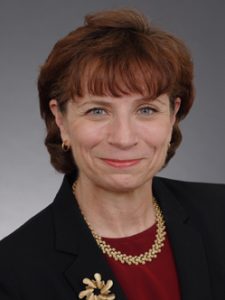 I started SuLu Coaching and Consulting in 2021 with my husband, Dr. Lewis Sandy, about a year before I retired from the Robert Wood Johnson Foundation. I knew I was not finished contributing to nursing. I wanted to continue building the capacity of the next generation of nurse leaders in what I often refer to as my “preferment.” Today, most of my work focuses on one-on-one coaching with nurse leaders in both practice and academia. I also teach leadership concepts and strategies, including the idea of the leader as coach, facilitate group coaching for organizations, and speak nationally on leadership, collaboration, and team effectiveness. It is work I care deeply about.
Board service has been an important part of my professional journey. Over the years, I have served on a number of boards, including the National Board of Governors for the American Red Cross and the Hackensack Meridian Health System, one of the largest health systems in the Northeast. When I joined both boards, I was the only nurse at the table, although I was encouraged to see Hackensack Meridian recently bring on another nurse. I have also chaired the board for UnitedHealth Group’s Center for Clinician Advancement and currently serve as Chair of the Board for the largest Red Cross region in North Carolina. In addition, I am the National Co-Chair of the American Red Cross Climate Adaptation Initiative and serve on several advisory committees, including one for a for-profit organization.
My board opportunities have come to me in different ways. In some cases, such as with the Red Cross, they grew out of long-standing involvement, trusted relationships, and a history of getting results. With Hackensack Meridian, I reached out to a colleague at the New Jersey Hospital Association and asked her to make a recommendation on my behalf. I then went through a formal interview process before being asked to serve. Other boards and advisory roles have reached out based on my national leadership work and reputation. In every case, genuine enthusiasm for the mission matters. Boards want members who truly care about the work.
My experience as a nurse has been essential in the boardroom. Nursing prepares you to listen, work as part of a team, make ethical decisions, and think strategically about systems and quality improvement. Having worked on national issues such as workforce shortages, nurse engagement, and health equity, while also understanding the realities of clinical care, has helped me contribute in meaningful ways. I recall a discussion years ago about employee engagement where the proposed solutions focused mostly on technology. I suggested that giving nurses more decision-making authority and a stronger voice might also help. That perspective shifted the conversation and ultimately made a difference. Becoming a certified executive coach has also strengthened my effectiveness as a board member. Coaches are trained to listen deeply, stay curious, and approach conversations without judgment.
One of the hardest lessons I learned about board service was learning to step back from fixing things. I am naturally action-oriented, but boards are not responsible for day-to-day problem solving. The role of a board is to look at the organization as a whole, ask thoughtful and sometimes difficult questions, and support the CEO and leadership team. The details belong to staff. I have also found financial oversight to be challenging. It is not my strongest area, but it is an important responsibility of governance. A strong board brings together people with different skills and interests, and success comes from drawing on one another’s strengths. No one needs to be good at everything. Board service can also include fundraising and networking, and boards value the relationships and access their members bring.
I believe nurses have a powerful impact when they serve on boards. Nurses bring a unique combination of action, care, listening, and collaboration. They understand how to work across professions and, when serving healthcare organizations, offer critical insight into what will and will not work in practice. During COVID, for example, understanding what nurses truly needed helped guide better decisions. Nurses did not need more pizza or recognition events. They needed adequate supplies, real support from leadership, and space for their voices to be heard. That perspective is exactly why nurses belong in boardrooms.

The Nurses on Boards Coalition (NOBC) represents national nursing and other organizations working to improve the health of communities through the service of nurses on boards and other bodies.